
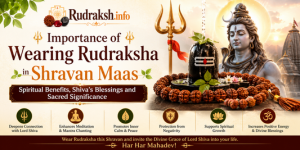
During this holy period, millions of devotees observe fasts, perform Jalabhishek, chant Om Namah Shivaya, and seek Lord Shiva's divine blessings. Among the many spiritual practices followed during Shravan Maas, wearing an authentic Rudraksha holds a special place.
According to ancient Hindu scriptures, Rudraksha beads are believed to have originated from the compassionate tears of Lord Shiva. Because of this divine connection, Shravan Maas is considered one of the most auspicious times to wear and energize Rudraksha. Wearing the sacred bead with faith is believed to strengthen one's spiritual journey, enhance devotion, and create a deeper connection with Lord Shiva.
Shravan Maas is filled with powerful spiritual vibrations as countless devotees engage in prayer, meditation, and Shiva worship. It is believed that spiritual practices performed during this month produce greater positive effects than at other times of the year.
Since Rudraksha is closely associated with Lord Shiva, wearing it during Shravan Maas is considered especially beneficial. Many devotees choose this sacred month to begin wearing a Rudraksha after proper purification and energization through Vedic rituals.
The word Rudraksha comes from two Sanskrit words:
According to the Shiva Purana, Rudraksha represents divine compassion, protection, and spiritual awakening. It is regarded as a sacred companion for those seeking inner peace, devotion, and self-realization.
Shravan is the month of Shiva devotion. Wearing Rudraksha symbolizes surrender to Lord Shiva and serves as a constant reminder to remain focused on spiritual growth and righteous living.
Many devotees chant Om Namah Shivaya or the Mahamrityunjaya Mantra while wearing a Rudraksha mala. The bead is traditionally believed to help maintain concentration, making meditation and mantra japa more focused and peaceful.
Regular worship during Shravan, combined with wearing Rudraksha, is believed to encourage emotional balance, reduce stress, and support a calm and positive state of mind.
Rudraksha has long been associated with spiritual purity and positive vibrations. Devotees believe it helps create an environment of peace and harmony while supporting disciplined spiritual practices.
Shravan Maas inspires devotees to adopt sattvic habits such as fasting, prayer, charity, and meditation. Wearing Rudraksha complements these practices by serving as a symbol of commitment to spiritual discipline.
Many devotees wear Rudraksha while performing:
It becomes an integral part of their daily devotional routine.
Different Mukhi Rudraksha beads are traditionally chosen based on spiritual goals and individual guidance.
The most widely worn Rudraksha for daily spiritual practice. It is associated with peace, devotion, and regular meditation.
Often chosen by those seeking greater self-discipline, confidence, and focus.
Traditionally associated with prosperity and abundance.
Highly revered by Shiva devotees for spiritual practices and higher consciousness.
Symbolizing the divine union of Lord Shiva and Goddess Parvati, it is cherished by devotees seeking harmony, love, and spiritual balance.
To observe the tradition respectfully:
To preserve its sanctity and longevity:
Shravan Maas is a time for self-purification, devotion, and inner transformation. Wearing Rudraksha during this sacred month reminds devotees of Lord Shiva's teachings of compassion, detachment, and spiritual wisdom. Along with prayer, fasting, meditation, and acts of kindness, Rudraksha can become a meaningful symbol of one's spiritual commitment.
Shravan Maas offers a unique opportunity to deepen your spiritual practice and strengthen your devotion to Lord Shiva. Wearing an authentic Rudraksha during this holy month is a time-honored tradition embraced by countless devotees. Whether you wear a Five Mukhi Rudraksha for daily worship or another Mukhi bead based on your spiritual aspirations, the true essence lies in faith, discipline, and sincere devotion.
May this sacred Shravan Maas fill your life with peace, wisdom, positivity, and the divine blessings of Lord Shiva.
Har Har Mahadev! ?














Comments